-
Kentucky enacts broad changes to hunting and fishing rules
The Kentucky Department of Fish and Wildlife Resources has enacted a series of regulatory changes affecting hunting, fishing and wildlife management across the state, following final legislative approval earlier this summer. The amendments, now in effect, modify seasons, size and catch limits, licensing rules and public access policies. Officials said the revisions better balance conservation
-
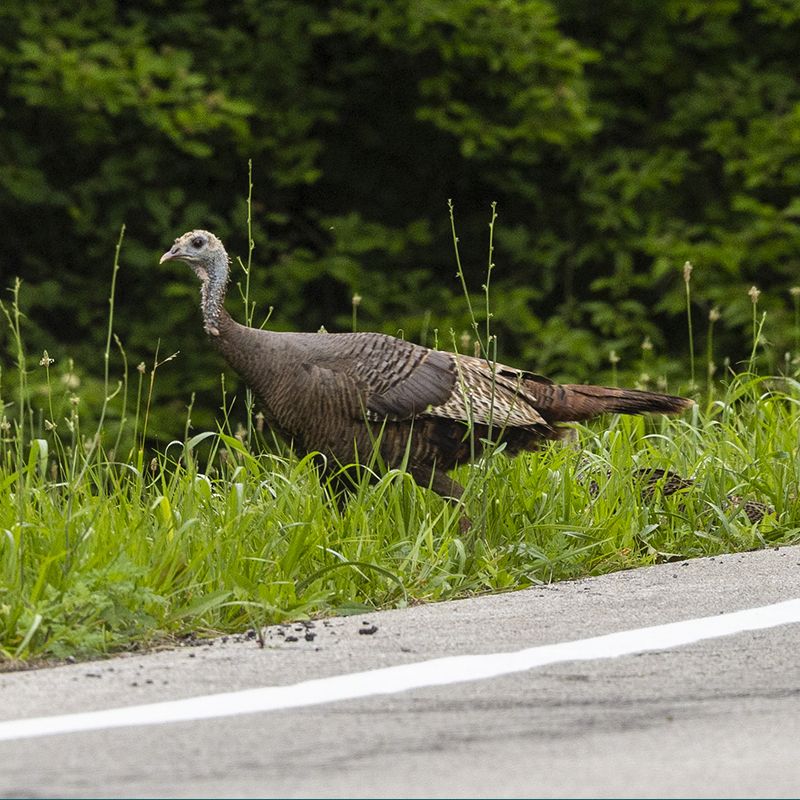
Public asked to report wild turkey sightings this summer
FRANKFORT — Kentucky’s wild turkeys are on the move this summer, foraging, traveling and raising their newly hatched poults. The Kentucky Department of Fish and Wildlife Resources urges the public to watch for turkeys and report sightings to help biologists better understand and manage populations. “Monitoring our turkey flock for its long-term conservation depends on
-
Kentucky Fish and Wildlife urges public to report wild pig sightings
CITIZEN STAFF REPORT The Kentucky Department of Fish and Wildlife Resources is asking residents of Printer and surrounding areas in Floyd County to report sightings of wild pigs after the detection of a group in April. In a press release issued Friday, the department emphasized the serious threat wild pigs pose to native wildlife, agriculture
-
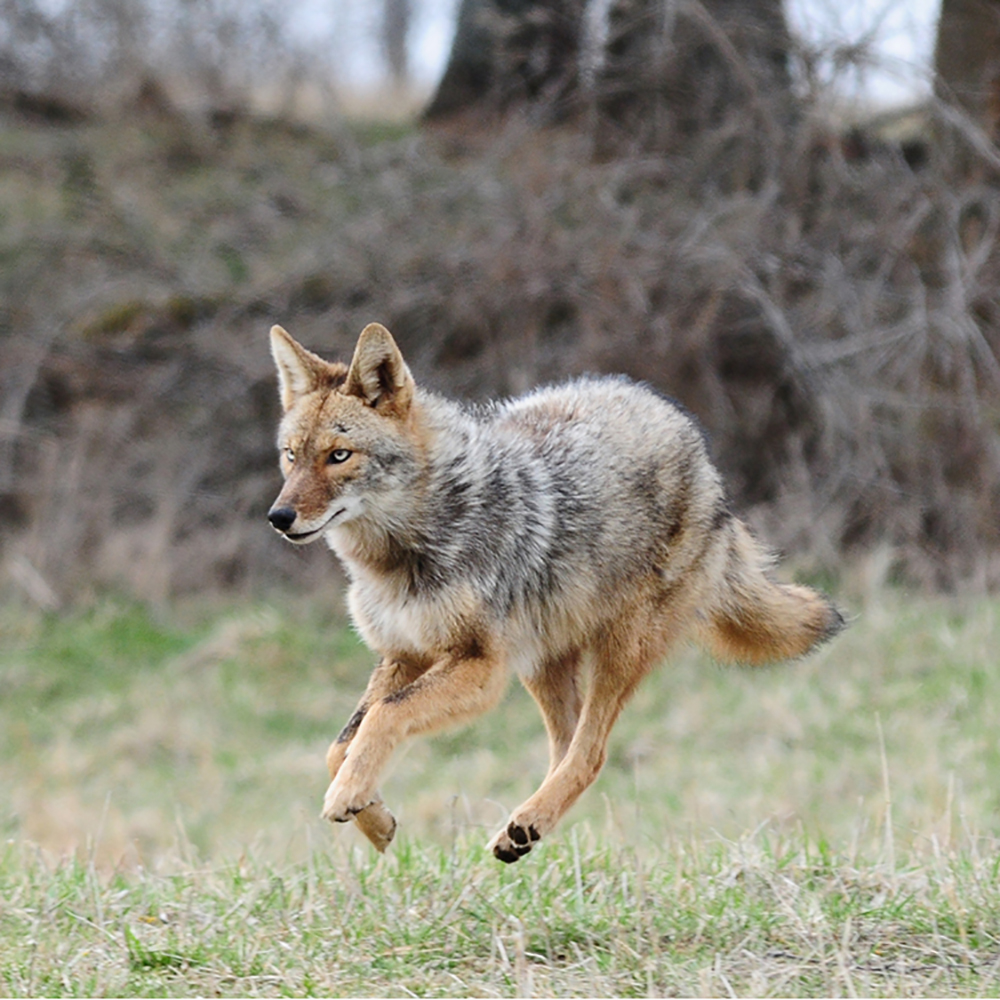
Coyote sightings increase with winter mating season
Simple precautions can help avoid conflict with adaptable canine Increased sightings of coyotes may occur this winter and spring in rural and urban areas across Kentucky as coyotes roam more to search for mates, establish territories and raise pups. Coyote winter mating season typically lasts into March, while pup rearing takes place in spring and
-
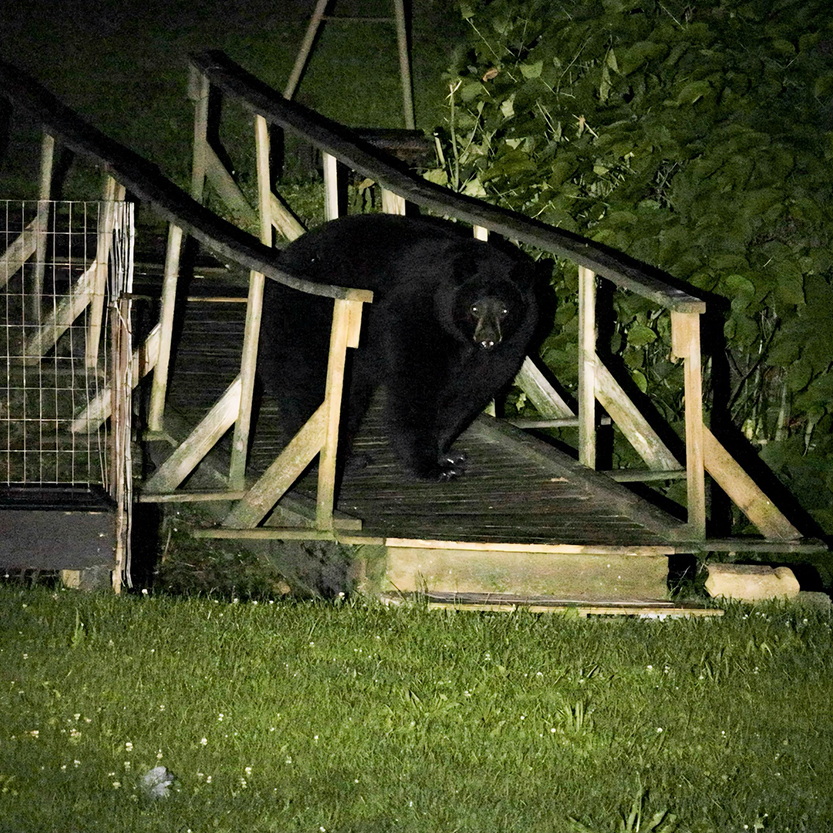
Kentucky Wildlife officials warn of increased black bear sightings statewide
CITIZEN STAFF The Kentucky Department of Fish and Wildlife Resources is alerting the public to the potential for black bear sightings statewide, particularly in early summer as young males disperse to establish new territories and search for mates. These bears, typically from the primary bear range in eastern Kentucky, can appear in rural farms, residential